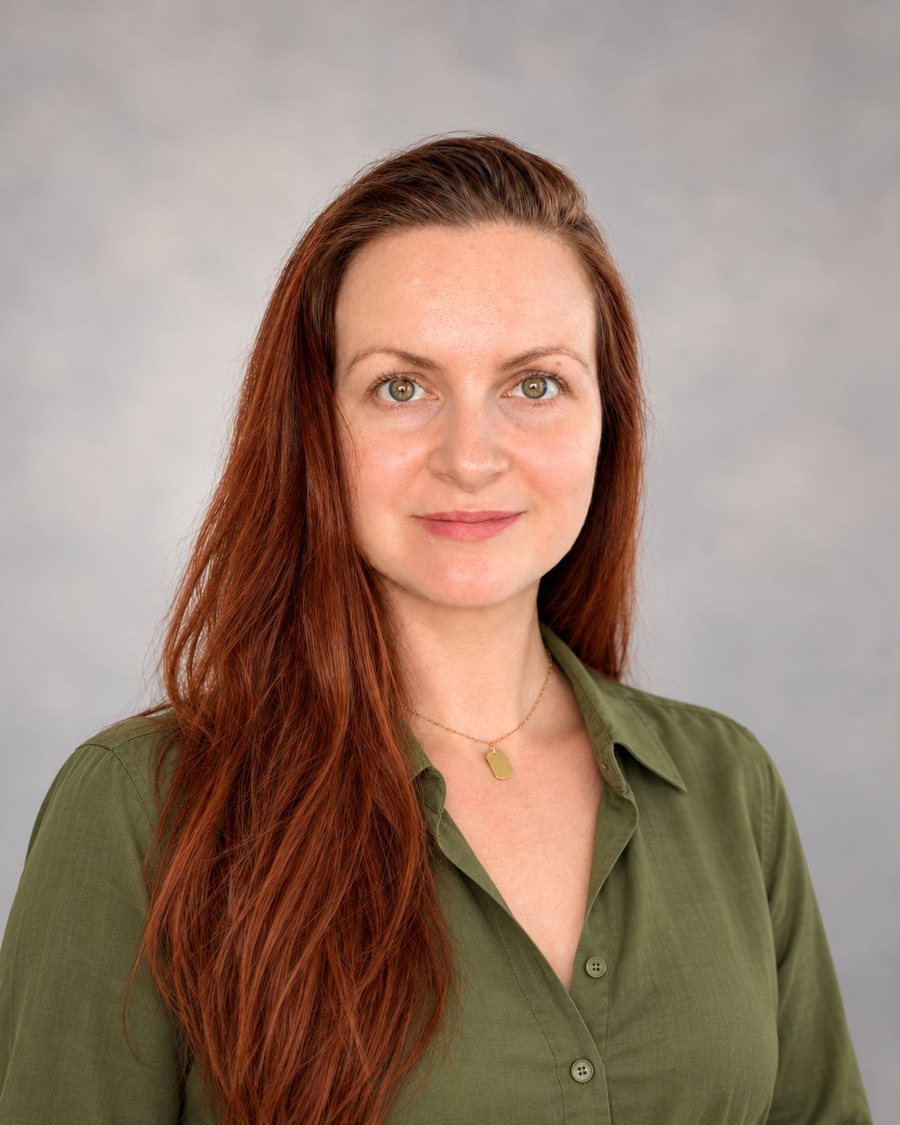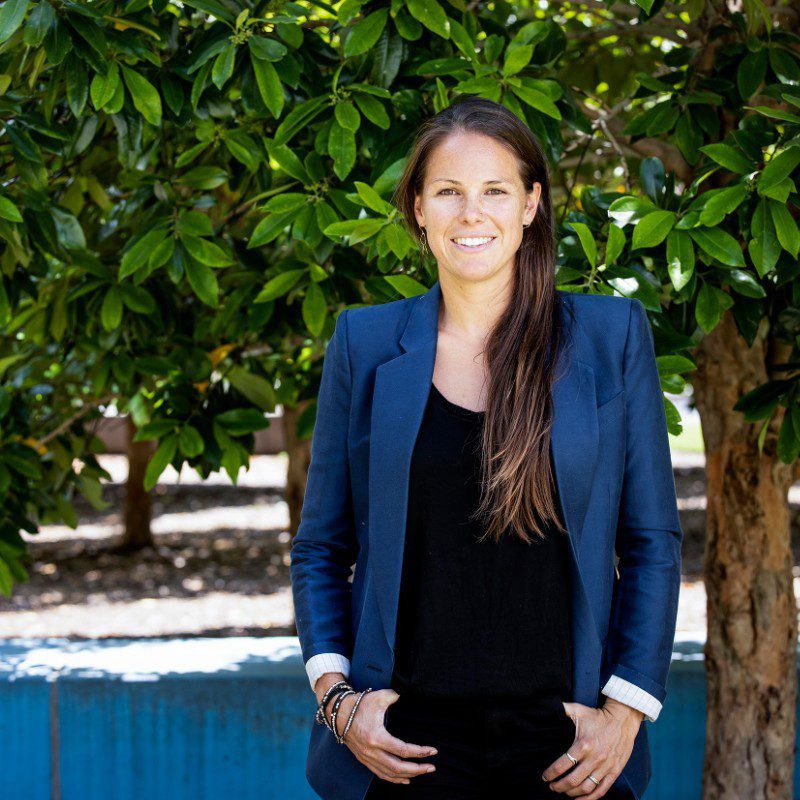
For a founder, the people around you can make the difference between success and failure. The right team sharpens your thinking, keeps you moving and sparks ideas you’d never have had alone. So what does it take to build one?
We asked climate tech founders what they’ve learned about building strong teams.
1. Share the frustration, not just the vision
Pratik Ghoshal, CEO and co-founder of Skyfri Technologies
Your team is your biggest asset, and the team has to stick together. “Family” is a cliché, but there has to be a common vision and a common mission that the team always feels. That’s what makes people want to stay ahead of the curve by asking the most critical, even unpleasant, questions. That’s the motivation I want to see every day in my team.
Most of the time you fail as an entrepreneur because you don’t have like-minded people you can depend on. You alone can’t be a one-man army.
The most important thing is that you all share a common vision, you all have the same pain points, and you’re all frustrated with the status quo. You have to be frustrated with the status quo to start something new. The world doesn’t move ahead with incremental changes. You have to change things overnight, or at least have the ambition to.
You have to be frustrated with the status quo to start something new.
2. Let new people raise the pace
Olympia Yarger, founder of Goterra
We had a big hiring bubble. In the space of three months we brought on 15 new people, and after about a month you could tangibly feel that Goterra had grown up. People were using our tenets and values, and engaging in meetings in the way we’d created.
When our head of growth joined, he was so energised that people said, “Oh my God, I can’t keep up.” I told everybody: “He’s going to make you feel like you’re not moving fast enough. Just remember, it’s because he hasn’t been in the boat rowing as long as we have. He’s new, he’s fresh, he’s rested.”
He hasn’t been in the boat rowing as long as we have. He’s new, he’s fresh, he’s rested.
3. Mix fresh eyes with experience
Jean-Christophe Lambert, co-founder of Ascendance Flight Technologies and former Airbus engineer
It’s good to have a mix of new people who innovate without knowing the current limits, and experienced people who aren’t scared to change the standard process. Once you’ve done something for 20 or 30 years, it’s very difficult to say you’ll do it differently. When someone brings in something new, the first thing you see is the limits. You don’t see that it might be possible to go beyond them and reach a higher potential.
Even at Ascendance, at some point I may become the guy who sees the limits. That’s why it’s crucial to bring in new talent and shakers, so we keep pushing the boundaries.
4. Make it everyone’s product
Jean-Christophe Lambert
I strongly believe in co-creation and sharing knowledge. I used to tell the team that Ascendance started with four people, but it’s not just four people’s product. Today we have 12 people, but it won’t be just 12 people’s product. Tomorrow, if we’re 100 people, it will be 100 people’s product. Everyone should take a slice of the cake.
Everyone should take a slice of the cake.
5. Reward openness, and tackle problems early
Irina Fedorenko, serial climate entrepreneur
Communication and trust are everything. It’s crucial that people are rewarded for being open and never feel judged or punished. I’ve learned from experience that 99% of conflicts in a team come from a lack of communication and could easily have been prevented.
It’s not just about being open and honest with your own team. It’s also about communicating openly with investors and partners, because that’s how you build trust. Without trust you won’t get investment, and you can’t deliver projects, especially when you’re bringing something new into very different environments.
The earlier issues are addressed, the better. I know it sounds obvious, but it’s really hard to do in practice. That’s why I prefer to set the rules from the very beginning and encourage open dialogue, including very hard discussions, without delay. It takes courage from everyone involved.
99% of conflicts in a team come from a lack of communication.
What to take from this
Strong teams don’t happen by accident. These founders build them on purpose: they hire people who share their frustration with the status quo, welcome newcomers who raise the pace, give everyone ownership, and make honesty safe.
Three questions for your next team meeting:
- Does everyone know the problem we’re angry about, not just the product we’re building?
- Who is new enough to see past our limits, and are we listening to them?
- What conversation are we putting off that we should have this week?
Building a climate company with a team worth celebrating? Tell us your story.