In our last conversation, we explored a simple but often overlooked idea:
Capital should follow de-risking.
The founders who consistently raise, and raise well, aren’t just building strong technology. They’re building businesses that investors can actually understand, model, and trust.
Because in this market, the question has quietly shifted from “Is this exciting?” to:
Is this predictable?
So what does that look like in practice?
When founders align their business milestones with the right type of capital, equity, strategic investment, debt, or project finance, they unlock far more financing options over time.
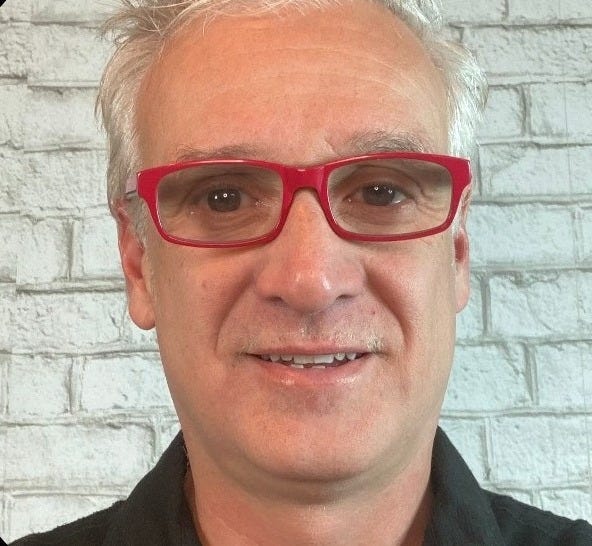
In this second part of our conversation with Mitchell Possada, Partner at High Impact Capital Partners, we explore what actually makes a company more investable in practice and how founders can build that credibility step by step.
Why do sales cycles matter so much for climate companies?
Because in climate, growth doesn’t look like SaaS. Sales cycles are longer, more complex, and often involve infrastructure, utilities, or industrial buyers. You’re not just selling software, you’re coordinating projects.
And that creates a mismatch with generalist VC expectations.
What investors really care about isn’t speed, it’s predictability. The more a company can standardise how deals move from first conversation to signed contract, the more confidence they have that revenue can scale.
How can founders actually make sales more predictable?
It usually comes down to three things. First, clarity on the ideal customer, not just who they are, but why they buy, consistently. Second, real control over the pipeline. Knowing exactly where deals stall, where they convert, and how long each stage takes.
And third, partner–market fit. In climate, you rarely scale alone. The companies that win are the ones that build strong delivery ecosystems, installers, distributors, strategic partners, and make those relationships repeatable.
When those pieces are in place, the conversation with investors changes. You’re no longer talking about potential. You’re showing a system that works.
How does customer-funded growth change the funding conversation?
It changes everything.
The narrative shifts from ‘this is what we could do’ to ‘this is what customers are already paying us to do.’ That de-risks demand immediately. Instead of relying on market projections, you’re showing actual revenue, actual behaviour.
It also changes leverage. If a company can generate revenue independently, it’s raising capital from a position of strength, not necessity. And importantly, it reframes what capital is for. You’re no longer funding discovery. You’re funding scale.
What do investors and lenders actually look for when assessing ‘bankability’?
They’re all trying to answer the same question: can this business reliably generate and manage cash?
So they look at three things.
First, revenue predictability; how stable and repeatable the income is.
Second, financial discipline; does the team really understand their numbers, especially cash flow.
And third, credible projections; models that are grounded in reality, not optimism.
When those align, something shifts. You stop being seen as a startup. And start being seen as something closer to infrastructure.
Where do founders most often lose credibility?
Two places, again and again.
One is not fully understanding their financials; especially how cash actually moves through the business. The other is not understanding what investors themselves are optimising for.
Different capital providers have different expectations. If you don’t understand that, it’s very hard to structure a compelling raise. The best founders don’t just tell their story. They align it with the incentives of the person across the table.
How is the current market shaping all of this?
We’re seeing a clear flight to quality.
Capital hasn’t disappeared, but it’s become more selective.
Higher interest rates have made financing more expensive, and generalist funds are more cautious. But at the same time, policy and energy security are pushing serious capital into climate. So strong companies are still getting funded. Just with a much higher bar.
Climate founders are building the systems that will reshape energy, industry, and infrastructure.
But the companies that scale won’t just be the most innovative. They’ll be the ones that pair technical ambition with financial credibility, building businesses that can attract the right capital, at the right time, on the right terms.
Because in climate, bankability isn’t just a financial outcome. It’s a reflection of how well the business actually works
Quick fire
Who has influenced your approach to finance and entrepreneurship?
I tend to learn from operators who’ve actually financed and scaled hardtech businesses, people who understand both technology and capital formation.
What do you do when it’s time to unwind?
Sketching, painting, karaoke, and lately attempting stand-up comedy. Mixed results so far.
…………………………………..if Mitchell could teleport himself into the future and be anywhere doing anything he’d be…‘travelling across continents, exploring ecosystems, visiting ancient sites, and seeing how today’s climate solutions have actually scaled in the real world.”