South Africa experienced 332 days of load shedding in 2023, the worst on record, costing the economy an estimated R2.8 trillion. In Johannesburg, almost half of all utility-supplied water is lost through ageing pipes before it reaches a tap.
But this isn’t just a South African story.
In February 2021, a severe winter storm caused Texas’s grid to collapse, leaving millions without power, causing 246 deaths and more than $195 billion in property damage. In April 2025, a sudden cascading failure cut electricity across Spain, Portugal, and parts of France and Germany — Spain alone lost roughly 60% of its power supply in five seconds. Bank of America warns that 30% to 46% of America’s grid infrastructure is now beyond its useful life, and grid reliability is worse today than in the early 2000s.
Blackouts are no longer rare anomalies, they are structural risks. A typical utility experienced more than 1,500 cyberattacks per week in 2024, and the US grid will need to double or triple its transmission capacity by 2050 just to meet growing demand. Meanwhile, globally, more than 2.8 billion people live in inadequate housing, and buildings account for 37% of all CO2 emissions.
Large portions of the world’s centralized infrastructure aren’t just failing slowly. They’re failing now.
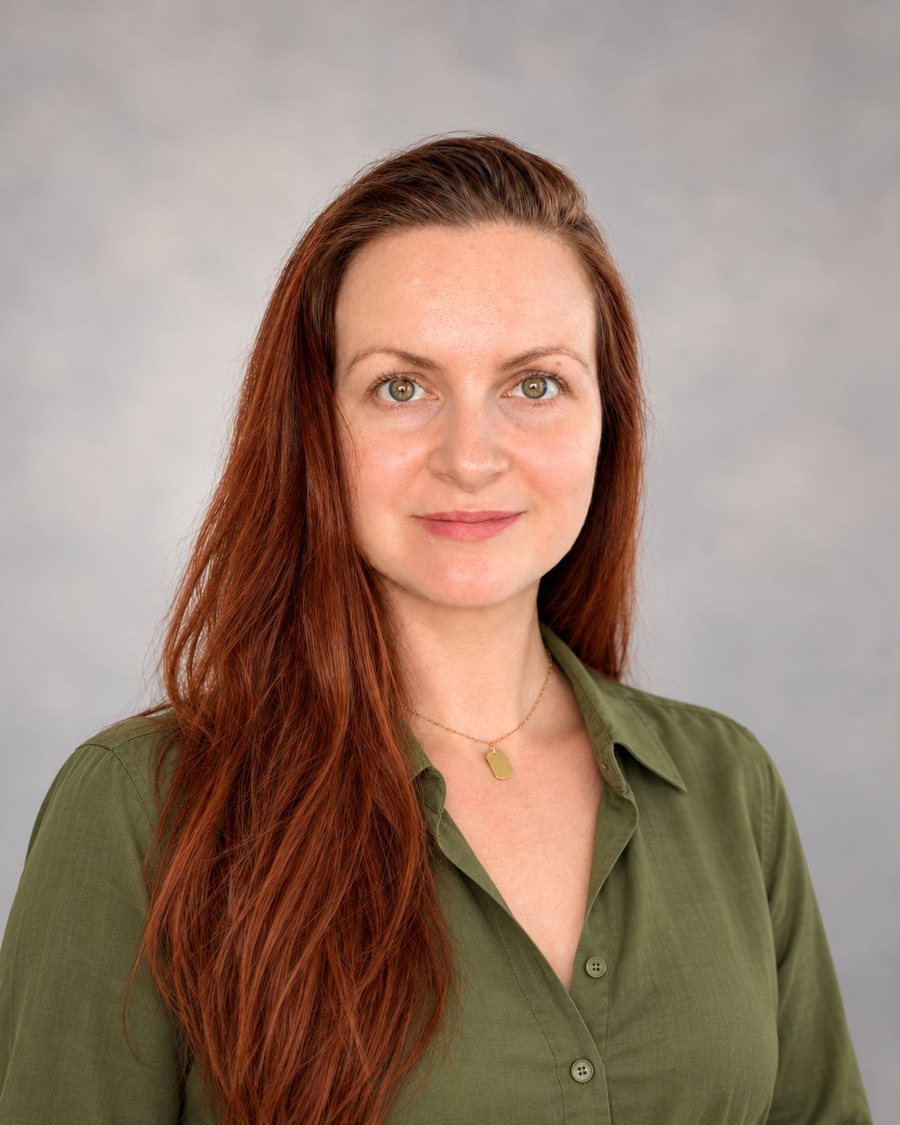
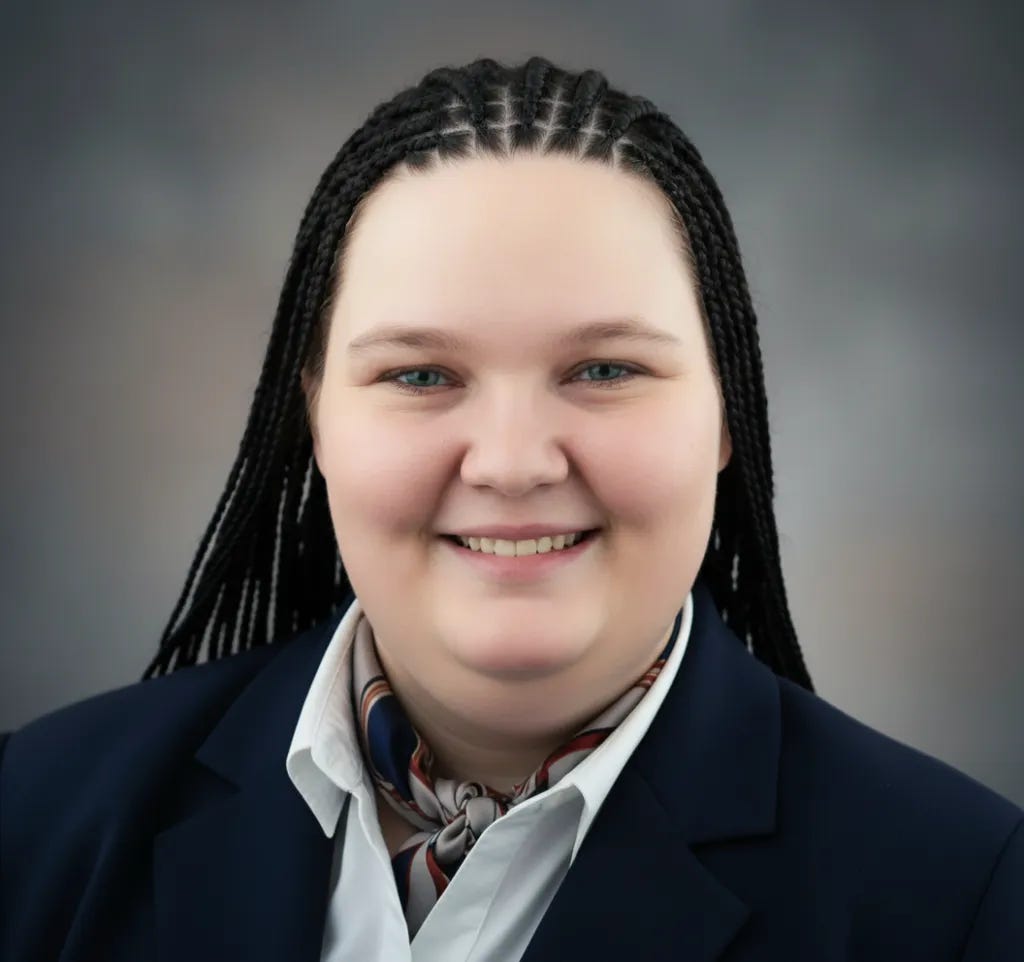
Most people are still waiting for someone to fix it. Ansie van Dyk stopped waiting and started building. Vida Nova is her answer: factory-built, modular, fully off-grid homes that assume infrastructure will fail and are designed to function anyway. Each home ships with solar, battery storage, rainwater harvesting, filtration, and SAINT, a proprietary AI platform that monitors and manages the whole system in real time.
The founding team is a family unit, Ansie as CEO, alongside a CFO, COO, and Head of Construction, lean, trusted, and built for the long game. The proof-of-concept is being built on family land in South Africa, with expansion to Canada planned once the first homes are in the ground.
In 2026, Vida Nova won the Global Recognition Award from a field of over 15,000 applicants. Not bad for a company that hasn’t yet broken ground.
Why did you take the leap into green techpreneurship?
I didn’t start with climate. I started with frustration.
I kept seeing the same contradiction everywhere: housing getting more expensive, infrastructure getting less reliable, and yet we were still building homes like water, power and sanitation were guaranteed forever. They aren’t, especially not in places like South Africa.
The moment it really clicked for me wasn’t dramatic. It was gradual. Watching load shedding become normal. Watching water issues become normal. Watching people accept lower and lower standards while costs kept rising. At some point I just thought: why are we still building houses that depend completely on systems we already know are failing?
Before this I wasn’t in some big corporate position or construction empire. I was just trying to survive like everyone else. But I’ve always had a builder mindset. I don’t like complaining about broken systems if I’m not at least trying to understand how to build something better.
The leap wasn’t about confidence. It was about reaching a point where not trying bothered me more than the risk of failing.
You’ve said housing is built for a world that no longer exists. What does that look like on the ground?
It looks like people buying generators because the grid isn’t reliable. Buying water storage tanks because the municipal supply isn’t consistent. Spending money retrofitting homes for problems that should have been solved at the design stage. Vida Nova starts from a different premise: what if instability is the baseline? What would you build then?
Affordability and sustainability are often treated as separate problems. I think that’s a mistake. If it isn’t affordable, it doesn’t scale. If it doesn’t scale, it doesn’t matter.
The pilot homes are on family land. Why structure it that way?
It was intentional from the start. Pilot participants get complete off-grid homes. Vida Nova gets a live laboratory with full control over the build environment and timeline, eliminating the biggest unknown in any construction project before it becomes a commercial one.
What do investors consistently misunderstand about Vida Nova?
A lot of it is pattern recognition. Investors say they want innovation, but they feel safest funding people who look like founders they’ve funded before. If you don’t fit that pattern, you have to be twice as persistent.
SAINT is built and running internally. Both prototype homeowners are confirmed. The Ottawa development has partners lined up and budgets finalised. We’re one funded pilot away from proof.
What would you do differently about fundraising if you were starting again?
Build something physical sooner. Even a small, real thing. Vision convinces some people. Reality convinces everyone.
Have there been moments where you questioned whether to continue?
Absolutely, anyone building something difficult who says otherwise probably isn’t being honest. What kept me going was simple: the problem doesn’t disappear just because I get tired. So the real question became whether I wanted to be someone who stopped or someone who adapted. So far I’ve chosen to adapt.
Where does housing fit in the broader climate transition?
It’s central, and it’s underestimated. Buildings account for 37% of global emissions and we’re still adding to the stock every day with the same design assumptions. We don’t need more concepts designed to look good in presentations. We need solutions designed to survive contact with reality. If the climate transition is going to happen at street level, which is the only level that matters, housing has to change.
Rapid-fire
What’s your Mantra?
Build something real as early as possible. Reality convinces people faster than vision ever will.
Your daily ritual?
Stripping out complexity. Every day, finding the clearest version of the problem I’m solving.
Source of optimism?
There are founders already doing this in harder conditions than mine. If they found a way, I can find a way.
If you could teleport yourself into the future and be anywhere, doing anything, where would you be and why?
In a world where off-grid, resilient housing is the default, not the premium option, not the niche product for the environmentally motivated. Just the sensible way to build a home. Where the question isn’t why would you build a house that doesn’t depend on the grid, but why on earth would you build one that does.