Is it ready?
Three small words. And according to Theresa van der Walt, they can stop more good climate projects than almost anything else.
A community might have the local knowledge, the need and a credible plan to restore degraded land or grow food-producing trees. But if the evidence is scattered across spreadsheets, the budget is unclear and nobody knows who is responsible for what, the development banks, climate funds and government agencies controlling climate finance can’t confidently decide whether the project is ready to back.
It’s a bit like applying for a mortgage with your payslips in a shoebox, your bank statements in someone else’s inbox and nobody quite sure who is authorised to sign the forms.
You might be perfectly creditworthy. The bank still can’t say yes.
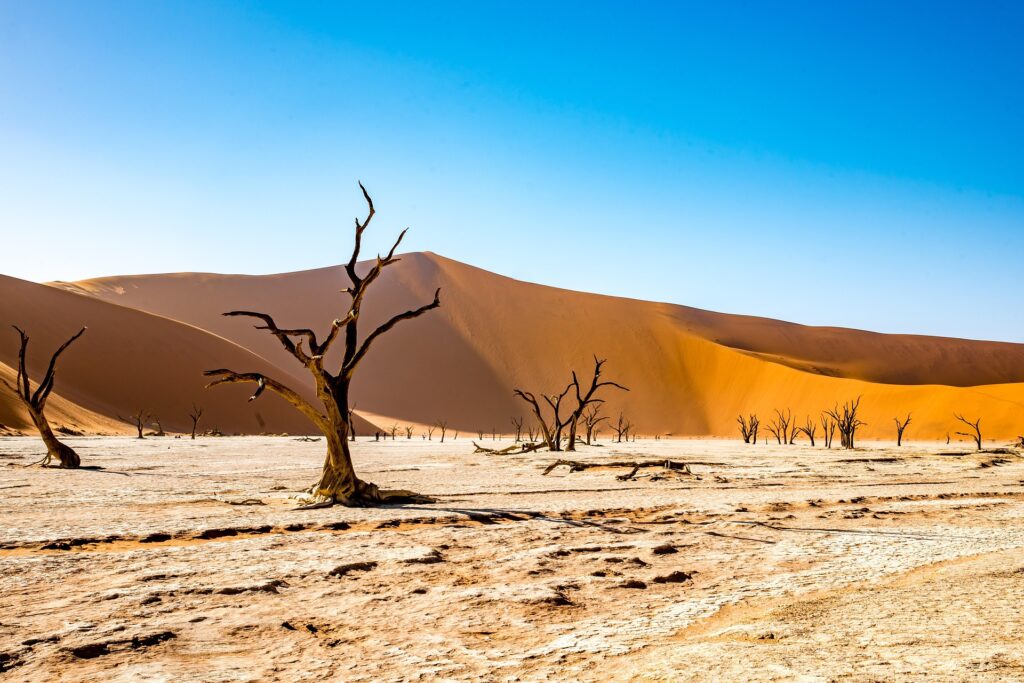
So the project waits. And so do the people it was meant to help. But the stakes of waiting are devastating: degradation has already hit nearly three-quarters of Africa’s drylands, land vital for farming and food, according to the UN Convention to Combat Desertification. Meanwhile, the money is drying up. UNEP’s 2025 Adaptation Gap Report shows international public adaptation finance to developing countries dropped from $28bn to $26bn in a single year, while needs are expected to reach $310–365bn a year by 2035.
With funding so tight and climate risks rising, every stalled project matters.
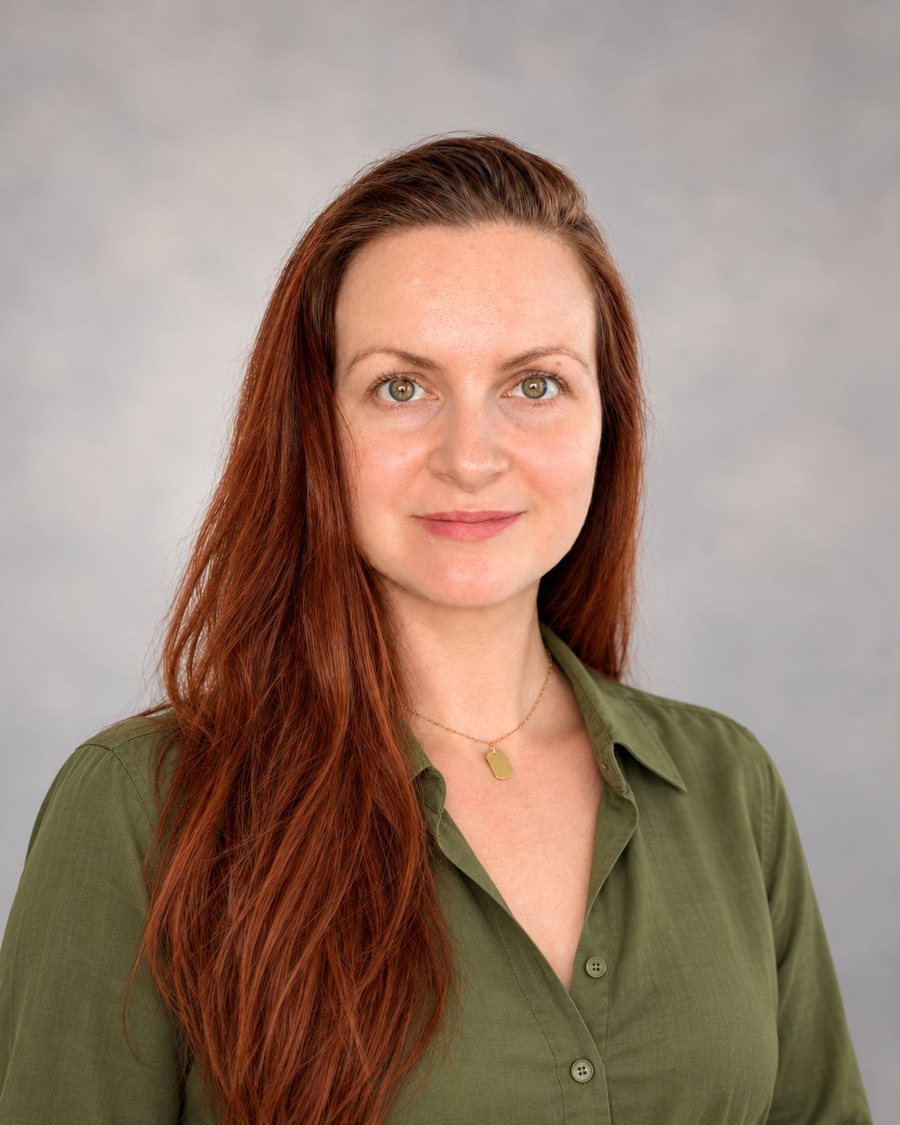
That’s the bigger problem Theresa van der Walt has spent her career getting closer to.
For two decades, she worked as a programme and project developer, watching credible climate and livelihood projects struggle to get from good idea to institutionally fundable programme. She decided to build the infrastructure and plumbing that’s missing to help funds flow where they can have the biggest verifiable impact.
She bootstrapped Netherlands-based Terra Vita Global, building its first working product herself, before taking on a technical lead.
Today, Terra Vita helps complex regenerative programmes become institution and climate finance ready, designing governance and MRV (measurement, reporting and verification) systems for governments, development finance institutions and programme owners, alongside hands-on project-development support.
At the centre is Terra Vita Hub: a structured, audit-ready space that brings a programme’s evidence, reviews, sign-offs and results together. Instead of evidence living in maps, spreadsheets, reports and inboxes, everyone involved can see the same picture: What do we know? What’s missing? Who reviewed it? Who signed it off? What still needs to happen?
Terra Vita has launched in Africa, working on climate resilience and regenerative landscapes from farmland to coastline.
The Hub is already in active use in Kenya and Somalia, with its first paying customers using its Assessment & Evaluation tool. Next up are three paid institutional diagnostics, a first paid institutional deployment and a recurring institutional agreement – the milestones that turn early traction into a repeatable business.
What drives her? The communities left waiting while good projects gather dust in someone’s inbox, and a vivid vision of the day that wait ends. “I would want to visit a thriving, locally led restoration programme years after its beginning,” she says. “I would want to see healthier land, productive farms and local teams confidently running the work.”
Terra Vita is raising
Theresa is raising a €1M seed round on Climate Marketplace. If you invest in climate infrastructure or institutional software, see her full profile, pitch deck and traction, and message her directly.
What made you realise this problem needed solving?
It grew out of a recurring frustration in my work as a project and programme developer. I saw credible projects struggle to earn the institutional confidence they needed to move forward.
There was substance in the work, but the evidence, responsibilities and decision processes were too fragmented for others to assess and rely on.
What stayed with me was the gap between doing valuable work and being able to demonstrate its credibility. A programme needs more than a compelling proposal to become fundable and accountable. The evidence, responsibilities and decision-making all need to connect. A promising climate or livelihood initiative can remain stuck while communities wait for support.
A programme needs more than a compelling proposal to become fundable and accountable.
Theresa van der Walt, Terra Vita Global
Who do you ultimately want to benefit?
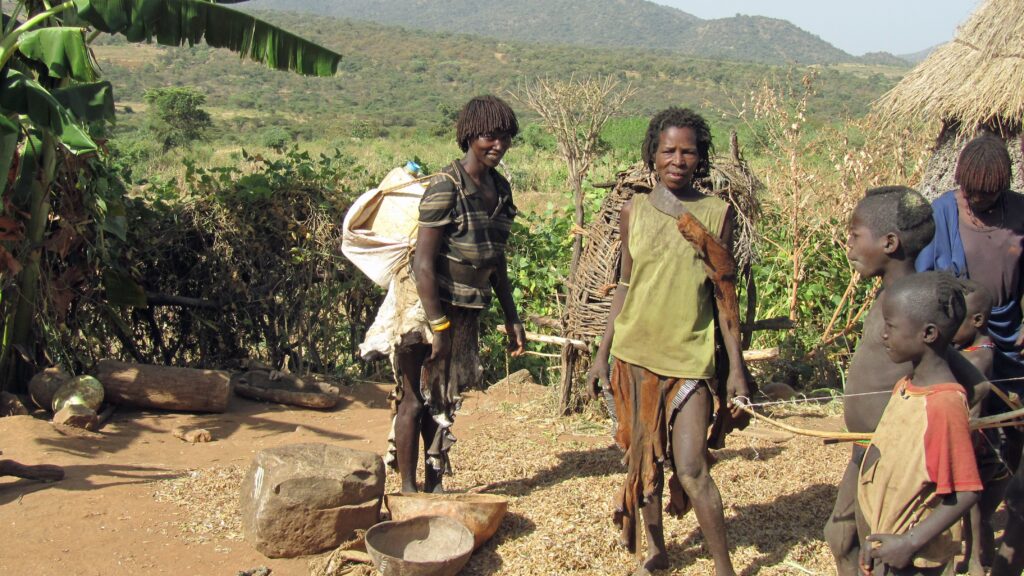
Smallholder farmers, women’s cooperatives, young people and communities whose livelihoods depend on healthy land and coastal ecosystems, initially in Africa.
Drought, flooding and environmental degradation put their food production, incomes and future opportunities under pressure.
So how does Terra Vita actually work?
Imagine a community wants to restore degraded land and grow food-producing trees. Before anyone can support the project, they need to understand the land, the plan, who’s responsible and the evidence behind its claims.
That information might be spread across maps, spreadsheets, reports and people’s inboxes. Terra Vita brings those pieces into a structured project record. Our tools connect information about a location with field observations, project plans, budgets and responsibilities, helping teams identify what’s missing, prepare for review and record progress.
The important difference is connecting evidence to decisions:
A photograph might show that trees were planted. But to understand the result, you also need to know where and when it was taken, who supplied it, whether the trees survived and who reviewed the information.
Our approach makes those connections traceable, so people can examine the basis of a claim and correct it when necessary.
AI can help organise information, summarise records and flag gaps. People remain responsible for the judgments and approvals.
Think of it as a chain of custody for climate evidence.
One example is a proposed six-hectare food-forest living laboratory in western Kenya, which Terra Vita is developing with the University of Eldoret. A planned 90-day feasibility study will test soil, water, biodiversity and climate risks before decisions are made about whether – and how – the project should proceed.
Why does this matter for the climate?
It helps turn restoration and climate-resilience ideas into programmes that can be assessed, funded and monitored.
Trees and healthier soils can store carbon, while better water retention and reduced erosion can help communities cope with drought and heavy rainfall.
Tell us about a time things went wrong
One practical setback came when a project partner struggled to access a Terra Vita tool after their electricity had been restored. It exposed a basic challenge: our work can’t move forward if the person who needs the system can’t use it.
It reinforced a lesson that matters deeply to what we’re building: a successful test on our side is only part of the picture. We also need confirmation from the person using the tool, in their actual working conditions.
A successful test on our side is only part of the picture. We also need confirmation from the person using the tool, in their actual working conditions.
Theresa van der Walt, Terra Vita Global
What’s the boldest decision you’ve made?
Building Terra Vita’s core product architecture myself while bootstrapping the company. My background was in project and programme development, with more than 20 years in programme and project management, including government and cleantech work. I became the primary technical lead, bringing the problems I’d encountered in project development directly into the product’s design.
What are you most proud of – and what’s next?
Moving from a founder-built product into external use and early paid adoption.
We also have concrete programme-preparation milestones, including university support for feasibility preparation in western Kenya, replication in eastern Kenya, and evidence acceptance for an earlier phase of the Jazira programme in Somalia.
Our next task is to demonstrate repeat use, customer retention and paid institutional delivery. These are early commercial milestones; measurable environmental outcomes require implementation and longer-term monitoring. Expansion should follow evidence that we can deliver useful results consistently and sustainably.
What do investors most often misunderstand about your sector?
That a strong proposal and plenty of data automatically make a climate project ready for investment.
Readiness also depends on clear responsibilities, permissions, delivery capacity, realistic budgets and evidence that can withstand scrutiny. Those foundations take work.
What advice would you give other founders?
Start with a real problem and the person who needs to act on it. Build something useful enough to test, then pay attention to what people actually do with it.
Keep enthusiasm, willingness to pay and demonstrated impact separate. Each tells you something different: a promising conversation is valuable, but a paying customer, repeat use and a measured result provide different kinds of evidence.
Value your preparation work. Time spent clarifying scope, responsibilities and delivery conditions is part of the solution. Give it a budget and boundaries. A climate mission needs a sustainable organisation behind it.
Rapid-fire

How do you switch off?
Being in nature.
What gives you hope about the climate?
The possibility of bringing local knowledge, practical science and better tools together. Communities understand things about their landscapes that a distant institution may never see. I find hope in making those perspectives useful to one another.
Is there a book you recommend other climate founders read?
My own books, starting with The Missing Middle. It explores a challenge central to climate entrepreneurship: how evidence, institutions and capital need to connect for good ideas to become lasting change.
How can readers help?
The most useful introductions are to project-preparation or investment-review leads at climate funds, development institutions and public agencies who have a live project and need to understand its readiness.
Terra Vita is looking for conversations around paid diagnostics and clearly scoped pilots, with an identified owner, access to relevant evidence and an agreed budget.
Terra Vita is raising
Theresa is raising a €1M seed round for Terra Vita on Climate Marketplace.