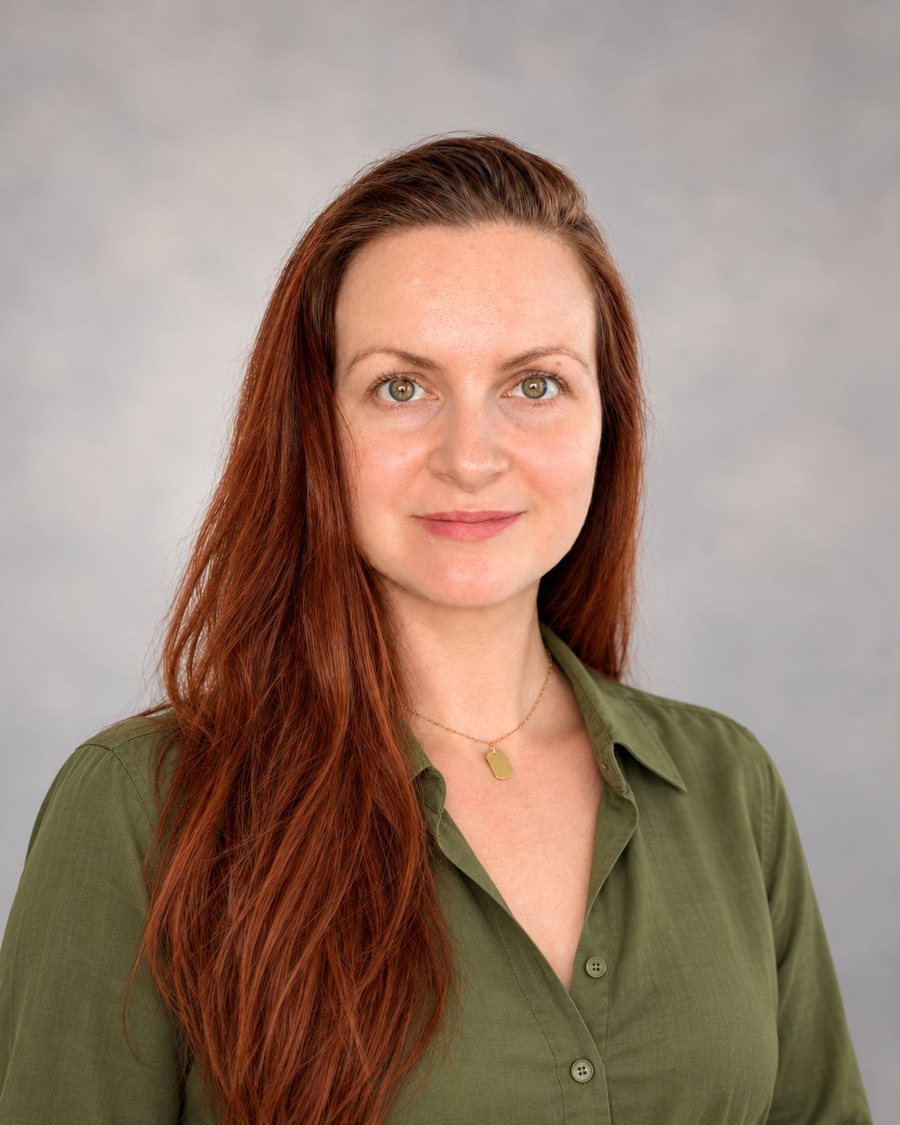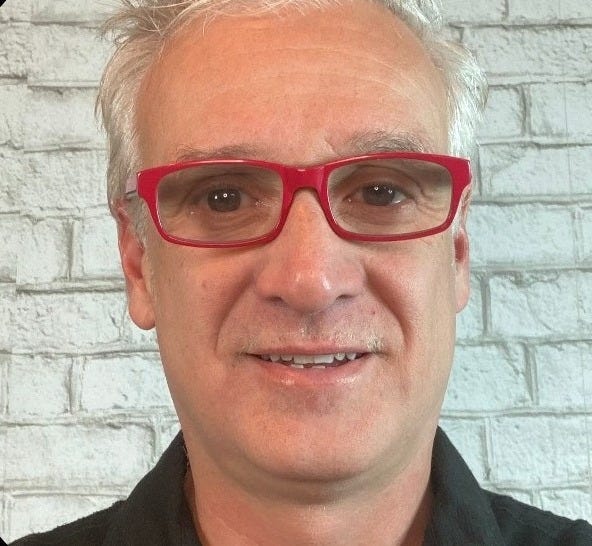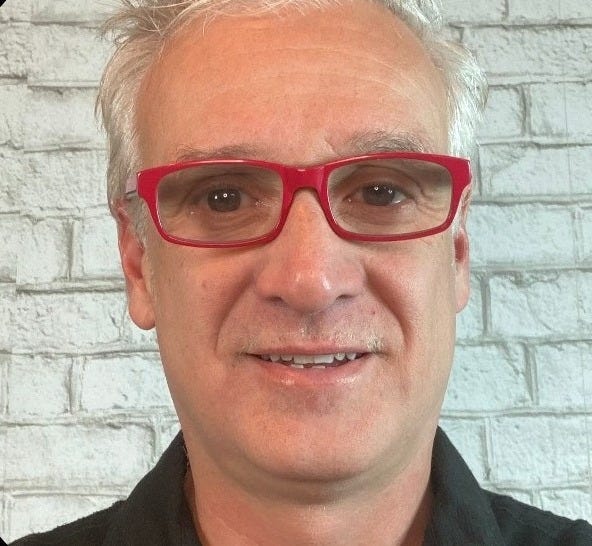
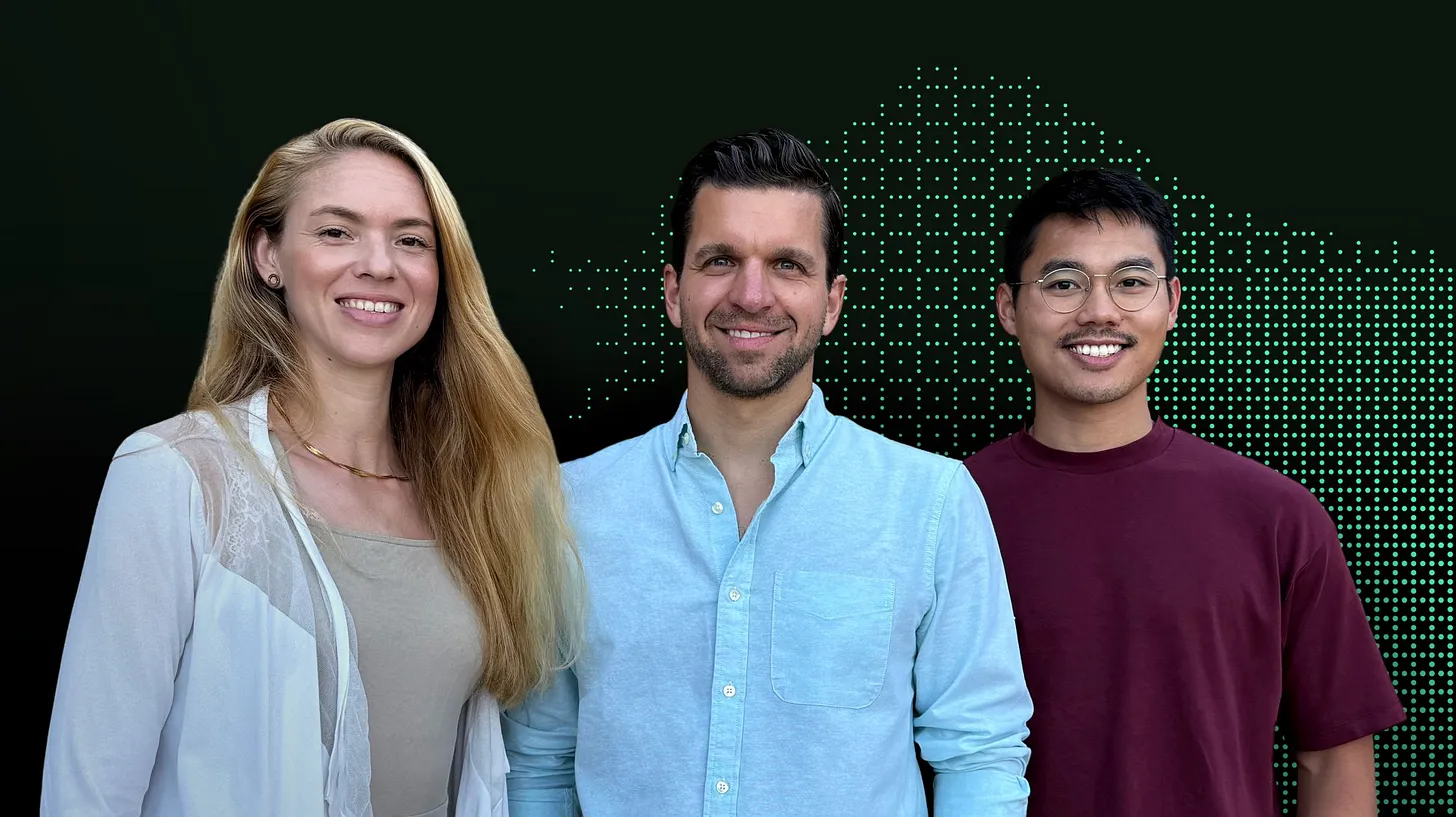
Visionaries Tomorrow VCs Sebastian Pollok, Thong le Hoang and Iris ten Have discuss their investment strategy and the future of climate tech.
“We believe this is the perfect time to build breakthrough climate solutions. Why? Because we’re seeing foundational science breakthroughs in AI, novel materials, additive manufacturing, robotics and more,” says Thong le Hoang, co-founder of German climate tech fund Visionaries Tomorrow.
“These advances give founders a new toolbox, drastically shortening technology development cycles and accelerating time to market. At the same time, there’s increasing pressure from all sides: legislation in Europe and the US, consumer demand, and shareholders pushing for greater commitment to decarbonisation.”
Visionaries Tomorrow focuses on industrial decarbonisation. It is part of Visionaries Club, launched in 2019 to bridge the gap between the industrial world and the startup ecosystem. Its fund investors include more than 45 unicorn founders and some of the world’s most influential industrial families, who don’t just invest but help founders build scalable businesses. To date, Visionaries Club has raised over €500 million.
The team remains optimistic about climate tech, even though investment growth has flattened in recent years. “Availability of and access to capital, both equity and non-dilutive funding, remains strong,” says Thong. “BlackRock, for example, has just announced a $1.4 billion fund for climate tech, and Temasek is contributing to over $80 billion in private climate tech VC funding. We have the Inflation Reduction Act, the EU Innovation Fund and more.”
“This is a fantastic time to start a company in this space,” adds Sebastian Pollok, founding partner at Visionaries Tomorrow. “We’ve reached an inflection point where not only founders but all other stakeholders are aware of the urgent need to change the fundamentals of our largest industries. Government support has increased massively, through legislation and non-dilutive funding. And our fund investors, especially large industrial companies, are investing heavily in the future and collaborating closely with the founders we back.”
Many of the largest industries still rely on fossil-heavy legacy technologies, but their tech stacks are under intense pressure to evolve.
“That presents a tremendous opportunity for founders to introduce groundbreaking technologies and transform the industrial tech landscape,” says Sebastian.
What is your investment philosophy?
We look for startups solving root problems with urgently needed solutions, rather than sustainability add-ons. We focus on companies with global market potential, and we work closely with mission-driven founders who are passionate about solving problems with true “dent in the universe” potential.
We invest at very early stages, from pre-seed to seed. Our pre-seed investments are typically around €500,000, while seed investments range from €1.5 million to €3 million. We keep a concentrated portfolio of around six to seven investments a year, mainly in Europe. Being selective lets us connect our portfolio companies deeply with the industrial world and support them closely as they grow.
Which startups have you invested in?
Our early portfolio includes five companies working on groundbreaking technologies:
- Proxima Fusion: developing a nuclear fusion power plant to supply clean, abundant baseload energy.
- A stealth company using flywheel technology for cost-efficient, grid-scale energy storage.
- A stealth company developing a bio-electrochemical system to produce green ammonia with renewable energy.
- Cosmic Aerospace: building an all-electric aircraft with integrated electric propulsion and a 1,000 km range.
- SirenOpt: unlocking advanced micro- and nano-materials at scale with a plasma-based materials intelligence platform.
What do you look for in founders?
Iris: We look for ambitious founders with a deep technical background, ideally a STEM education, paired with a co-founder experienced in business, sales or marketing. We also look for an intense obsession with the problem at hand, and a visionary mindset to make a significant impact.
What motivates you to do what you do?
Iris: I’ve always been very curious. As a little girl, I was obsessed with understanding what caused lightning and thunder. That curiosity led me to a PhD in chemistry, where I worked on converting carbon dioxide, a greenhouse gas, directly into fuels.
It was incredibly interesting, but I recognised the limits of academia when it comes to tackling urgent global challenges in a hands-on way. I wanted to apply impactful inventions in the fight against climate change, while the academic system mainly rewards people for publishing papers. For me, that wasn’t enough. So, driven by a passion for science and a desire to make a tangible impact, I moved from academia into climate tech venture capital.
I saw venture capital as a once-in-a-lifetime opportunity to back impactful technologies and create meaningful change.
I wanted to apply impactful inventions in the fight against climate change. For me, publishing papers wasn’t enough.
Sebastian: I became a father three years ago, which adds an emotional and personal motivation. I also grew up in a very scientific household. My parents are pharmacists, and I had a chemistry lab at home; it felt like I spent half my time in it. I’ve always loved science, and I’ve always had a passion for entrepreneurship.
To me, entrepreneurship means looking at problems from different angles, not accepting the status quo, and striving to make a difference. Combining my passions for science and entrepreneurship with what we’re doing at Visionaries Tomorrow is incredibly fulfilling.